
 Image 1 of 1
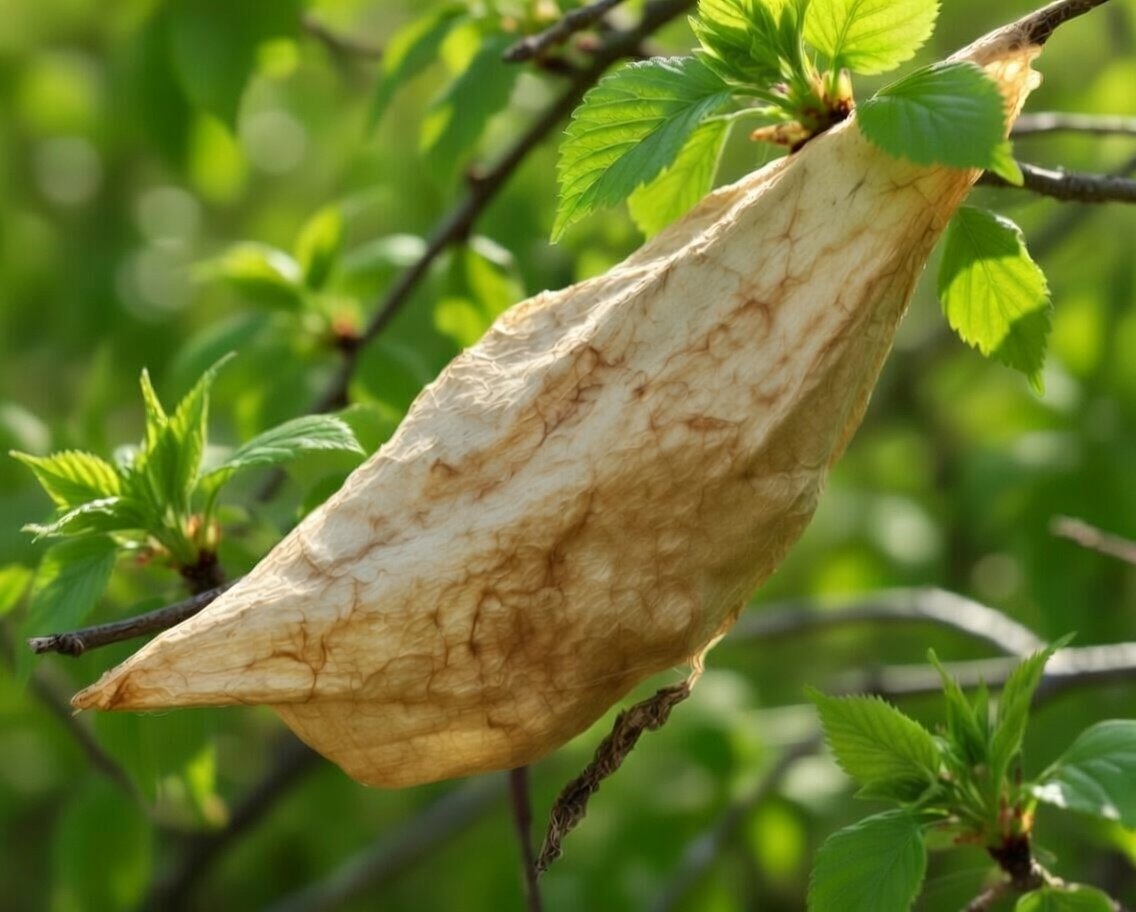
PRE-ORDER FOR AUGUST 2026 - Live Hyalophora cecropia Moth Cocoon (Loose)
PRE-ORDER FOR SEPTEMBER 2026 SHIP
Healthy captive-bred Cecropia cocoon from our indoor aviary.
Please note: We cannot ship to areas where cecropia moths are not native or common, which includes: Alaska, Arizona, California, Hawaii, Idaho, Nevada, New Mexico, Oregon, Utah, and Washington.
This is for the well being of the cecropia, and to protect local ecosystems and agriculture.
Expected ship window:
September 1–30, 2026.
Expected emergence window:
Cocoons will emerge as a male or female cecropia moth next spring (2027).
On average, 30-35 days after the cocoons are brought out of cold overwintering conditions and acclimated to room temperature (or warmer) conditions. Adults typically emerge in the morning. Cecropia moths do not eat and live 7–14 days on average — their goal is to mate and lay eggs.
What Affects the Timing:
Room temperature — Warmer rooms speed up development significantly.
Length of prior refrigeration
Individual variation — Not all cocoons emerge at the same time, even from the same batch. This natural staggering helps with mating.
Along with your purchase will include a general care guide to help ensure a healthy diapause cycle and spring emergence for your cecropia moth.
——-75% Emergence Guarantee——-
We stand behind our captive-bred Cecropia moth cocoons and guarantee at least 75% successful adult emergencewhen proper care instructions are followed.
For orders of 4 or fewer cocoons: If at least one fails to emerge, we will replace the shortfall with a healthy cocoon (subject to availability) or issue a partial refund for the failed portion.
For any order size: If the entire lot fails to emerge, we will offer a full refund or free replacement (our choice), provided you submit clear documentation within 14 days of the expected emergence window.
Required Documentation for Any Claim (photos must be submitted via email):
Photo of the cocoons immediately upon arrival
Photos showing storage conditions (e.g., container, thermometer/hygrometer readings)
Photos of each failed cocoon and any emergence attempts
Confirmation that care instructions were followed (no early warming, proper humidity, appropriate enclosure for wing expansion, etc.)
Important Limitations
This guarantee applies only to healthy cocoons shipped by us. It does not cover failures due to: improper storage (too warm, too dry, mold from over-wetting), rough handling, early removal from cold, inadequate emergence enclosure, predators, power outages, or extreme local weather.
Natural variation in emergence timing is normal.
We reserve the right to require additional proof if a pattern of claims suggests misuse.
Refunds/replacements are at our discretion after review of documentation.
By purchasing, you agree to these terms. We include care instructions with every order to maximize your success.
——-
Cocoons will expedited via USPS Priority Mail Express (1-3 business days), or USPS Priority Mail Express Overnight, due to their sensitive nature and to avoid any potential transit complications.
US shipping only, no international orders at this time – Cocoons will be shipped securely inside of an 8 x 8 x 4" shipping box.
Care basics (A basic care guide will also be included in your shipment):
Overwintering/Humidity: Keep cocoons cool and dry (ideally 35–50°F / 2–10°C) in a refrigerator (in a breathable container with a lightly damp cotton pad), unheated garage, or protected outdoor spot (needs to be secure from pestilence). Do not store in warm indoor areas — this can cause early or failed emergence. Do not directly mist the cocoons to avoid the development of mold. Moisture should be introduced indirectly and conservatively. We recommend buying an affordable digital hygrometer for monitoring relative humidity.
Spring Emergence: Starting in April–May (or when ready), gradually warm them to room temperature (65–75°F / 18–24°C) with natural daylight or a simulated light cycle. Place in a spacious mesh enclosure or screen cage (at least 12x12x12 inches)with a rough vertical surface (bark, screen, or branch) for the moth to climb and expand its wings.
This process is known as post-eclosion wing expansion, wherein the moth pumps hemolymph (the insect equivalent of blood/fluid) from its swollen abdomen into the veins of the wings.Expected Timing: Adults typically emerge in late May to early June, usually in the morning. Moths do not eat and live only 7–14 days — their goal is to mate and lay eggs.
Important Notes:
Provide plenty of space for wing expansion immediately after emergence (crumpled paper or branches help).
Handle cocoons gently; viable ones often wriggle when gently handled or warmed.
Protect from direct sun, extreme heat, and predators.
Be mindful that your enclosure is not directly susceptible to pestilence.
Cocoons stay viable with proper care, but results can vary based on your local conditions and handling after receipt.
——-
Do not release captive-reared organisms into the wild unless they are native to your exact location and released at the right time/season (risk of genetic disruption or disease). Best to observe, photograph, or release only in controlled/approved ways in accordance with your applicable laws.
——-
Lastly, this is a gentle reminder for patrons outside the state of New Jersey. Per the USDA, buyers outside the state of New Jersey should look to acquire a PPQ 526 permit. This allows for the interstate movement of these cocoons. Your permit should specify Jackson, New Jersey as the origin, and your residence as the destination.
In doing so, it avoids several potential order complications, mainly:
-Mail carrier issues
-USDA compliance
-Ensuring the cecropia is not introduced to an area of the US where it is not native and can disrupt local ecosystems and plant life.
Thank you for your patronage!
PRE-ORDER FOR SEPTEMBER 2026 SHIP
Healthy captive-bred Cecropia cocoon from our indoor aviary.
Please note: We cannot ship to areas where cecropia moths are not native or common, which includes: Alaska, Arizona, California, Hawaii, Idaho, Nevada, New Mexico, Oregon, Utah, and Washington.
This is for the well being of the cecropia, and to protect local ecosystems and agriculture.
Expected ship window:
September 1–30, 2026.
Expected emergence window:
Cocoons will emerge as a male or female cecropia moth next spring (2027).
On average, 30-35 days after the cocoons are brought out of cold overwintering conditions and acclimated to room temperature (or warmer) conditions. Adults typically emerge in the morning. Cecropia moths do not eat and live 7–14 days on average — their goal is to mate and lay eggs.
What Affects the Timing:
Room temperature — Warmer rooms speed up development significantly.
Length of prior refrigeration
Individual variation — Not all cocoons emerge at the same time, even from the same batch. This natural staggering helps with mating.
Along with your purchase will include a general care guide to help ensure a healthy diapause cycle and spring emergence for your cecropia moth.
——-75% Emergence Guarantee——-
We stand behind our captive-bred Cecropia moth cocoons and guarantee at least 75% successful adult emergencewhen proper care instructions are followed.
For orders of 4 or fewer cocoons: If at least one fails to emerge, we will replace the shortfall with a healthy cocoon (subject to availability) or issue a partial refund for the failed portion.
For any order size: If the entire lot fails to emerge, we will offer a full refund or free replacement (our choice), provided you submit clear documentation within 14 days of the expected emergence window.
Required Documentation for Any Claim (photos must be submitted via email):
Photo of the cocoons immediately upon arrival
Photos showing storage conditions (e.g., container, thermometer/hygrometer readings)
Photos of each failed cocoon and any emergence attempts
Confirmation that care instructions were followed (no early warming, proper humidity, appropriate enclosure for wing expansion, etc.)
Important Limitations
This guarantee applies only to healthy cocoons shipped by us. It does not cover failures due to: improper storage (too warm, too dry, mold from over-wetting), rough handling, early removal from cold, inadequate emergence enclosure, predators, power outages, or extreme local weather.
Natural variation in emergence timing is normal.
We reserve the right to require additional proof if a pattern of claims suggests misuse.
Refunds/replacements are at our discretion after review of documentation.
By purchasing, you agree to these terms. We include care instructions with every order to maximize your success.
——-
Cocoons will expedited via USPS Priority Mail Express (1-3 business days), or USPS Priority Mail Express Overnight, due to their sensitive nature and to avoid any potential transit complications.
US shipping only, no international orders at this time – Cocoons will be shipped securely inside of an 8 x 8 x 4" shipping box.
Care basics (A basic care guide will also be included in your shipment):
Overwintering/Humidity: Keep cocoons cool and dry (ideally 35–50°F / 2–10°C) in a refrigerator (in a breathable container with a lightly damp cotton pad), unheated garage, or protected outdoor spot (needs to be secure from pestilence). Do not store in warm indoor areas — this can cause early or failed emergence. Do not directly mist the cocoons to avoid the development of mold. Moisture should be introduced indirectly and conservatively. We recommend buying an affordable digital hygrometer for monitoring relative humidity.
Spring Emergence: Starting in April–May (or when ready), gradually warm them to room temperature (65–75°F / 18–24°C) with natural daylight or a simulated light cycle. Place in a spacious mesh enclosure or screen cage (at least 12x12x12 inches)with a rough vertical surface (bark, screen, or branch) for the moth to climb and expand its wings.
This process is known as post-eclosion wing expansion, wherein the moth pumps hemolymph (the insect equivalent of blood/fluid) from its swollen abdomen into the veins of the wings.Expected Timing: Adults typically emerge in late May to early June, usually in the morning. Moths do not eat and live only 7–14 days — their goal is to mate and lay eggs.
Important Notes:
Provide plenty of space for wing expansion immediately after emergence (crumpled paper or branches help).
Handle cocoons gently; viable ones often wriggle when gently handled or warmed.
Protect from direct sun, extreme heat, and predators.
Be mindful that your enclosure is not directly susceptible to pestilence.
Cocoons stay viable with proper care, but results can vary based on your local conditions and handling after receipt.
——-
Do not release captive-reared organisms into the wild unless they are native to your exact location and released at the right time/season (risk of genetic disruption or disease). Best to observe, photograph, or release only in controlled/approved ways in accordance with your applicable laws.
——-
Lastly, this is a gentle reminder for patrons outside the state of New Jersey. Per the USDA, buyers outside the state of New Jersey should look to acquire a PPQ 526 permit. This allows for the interstate movement of these cocoons. Your permit should specify Jackson, New Jersey as the origin, and your residence as the destination.
In doing so, it avoids several potential order complications, mainly:
-Mail carrier issues
-USDA compliance
-Ensuring the cecropia is not introduced to an area of the US where it is not native and can disrupt local ecosystems and plant life.
Thank you for your patronage!